Redefining Reliability in Temperature-Controlled Logistics
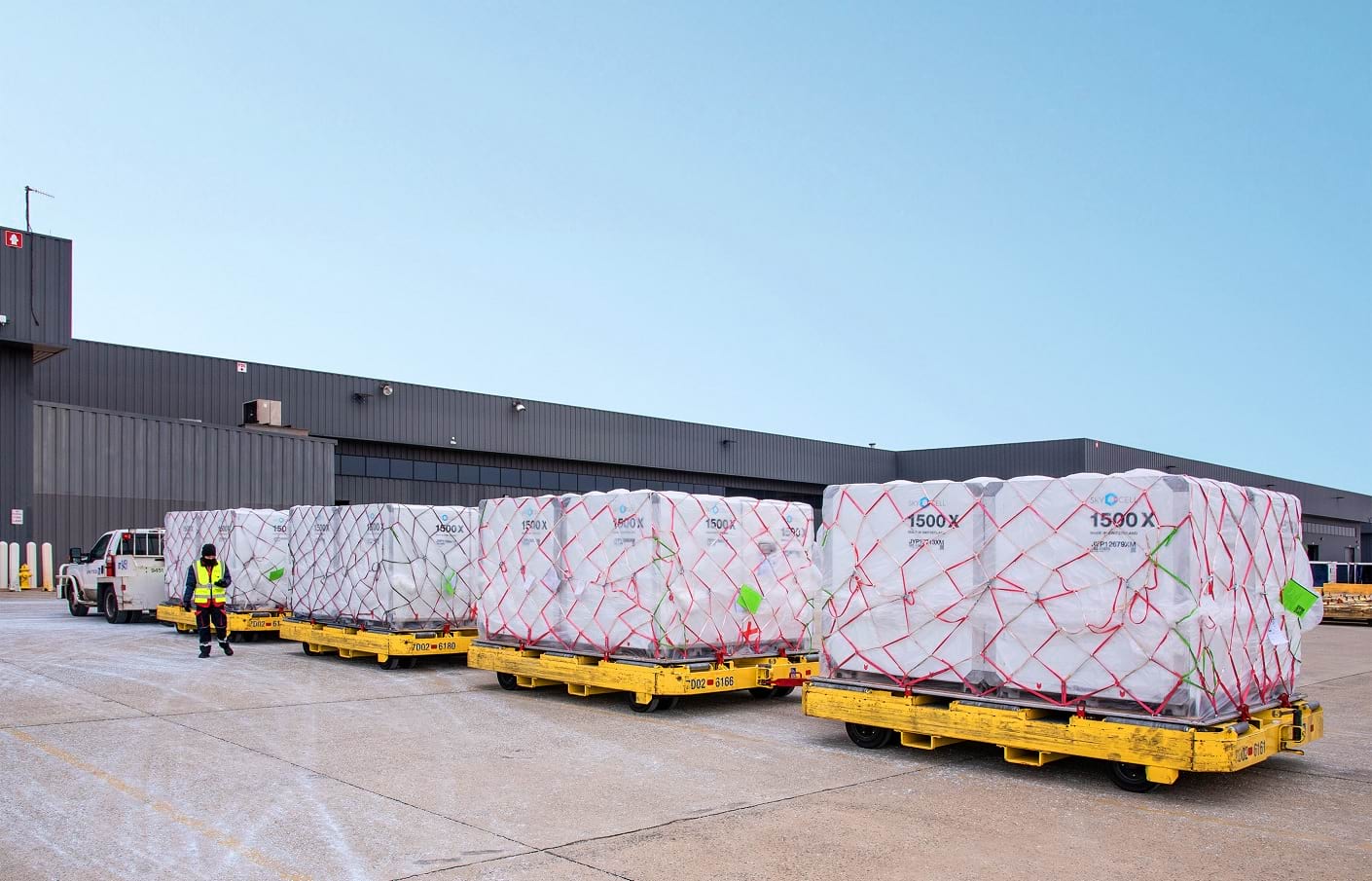
Pharmaceutical products, especially vaccines, biologics, and gene therapies, require precise temperature control throughout the supply chain. Historically, the industry has relied on two transport technologies: passive containers, which use insulation and phase-change materials, and active containers, which incorporate powered refrigeration systems. Each has advantages—but also critical limitations. Skycell, a pioneer in smart logistics, tackled this challenge head-on by developing hybrid containers that combine the strengths of both systems while eliminating their weaknesses.
The genius of Skycell’s hybrid solution lies in its ability to maintain ultra-stable internal temperatures without external power, even during unpredictable transport conditions. These containers are designed to operate for up to 202 hours autonomously, covering intercontinental journeys with zero temperature excursions. They also include integrated IoT sensors, collecting real-time data on temperature, humidity, vibration, and location. This not only ensures continuous monitoring but enables predictive risk management—critical when transporting life-saving medicines across vast, variable environments.

Skycell containers are built with cutting-edge insulation materials, ensuring tight temperature control even under extreme external conditions. Unlike traditional passive systems, they don’t require dry ice refills, and unlike active units, they don’t depend on external electricity or refrigerants that may fail. The result is an unprecedented level of reliability and reduced manual intervention, significantly lowering human error and risk of product loss. This innovative model makes them a preferred choice for top pharmaceutical companies shipping high-value, temperature-sensitive products worldwide.
Merging Efficiency and Sustainability with Advanced Technology
Beyond technical performance, Skycell hybrid containers offer a major advancement in environmental responsibility. As the pharmaceutical sector becomes more aware of its ecological impact, logistics solutions must evolve accordingly. Skycell has embraced this shift by creating containers that are not only reusable but are also made from recyclable materials, ensuring minimal waste across the supply chain.

Efficiency is another hallmark of the SkyCell model. Using AI-driven simulations and logistics analytics, the company helps clients optimize shipping routes, reduce empty returns, and improve fleet utilization. These digital tools, when paired with real-time container tracking, enable pharmaceutical firms to achieve better planning, reduced emissions, and higher success rates per shipment. In fact, Skycell reports temperature excursion rates of less than 0.1%, which translates to greater patient safety and fewer costly product recalls.