

Why Fall Protection Must Move With the Worker
Working at height rarely happens in a straight line. A technician may step around ducting, lean over a parapet, climb a ladder, or move across a platform while handling tools and materials. In these situations, fall protection has to do more than “be there” — it must support natural movement without creating extra hazards. If equipment is bulky, constantly slack, or forces the user to stop and readjust, it can slow down the job and tempt people to bypass safety procedures.
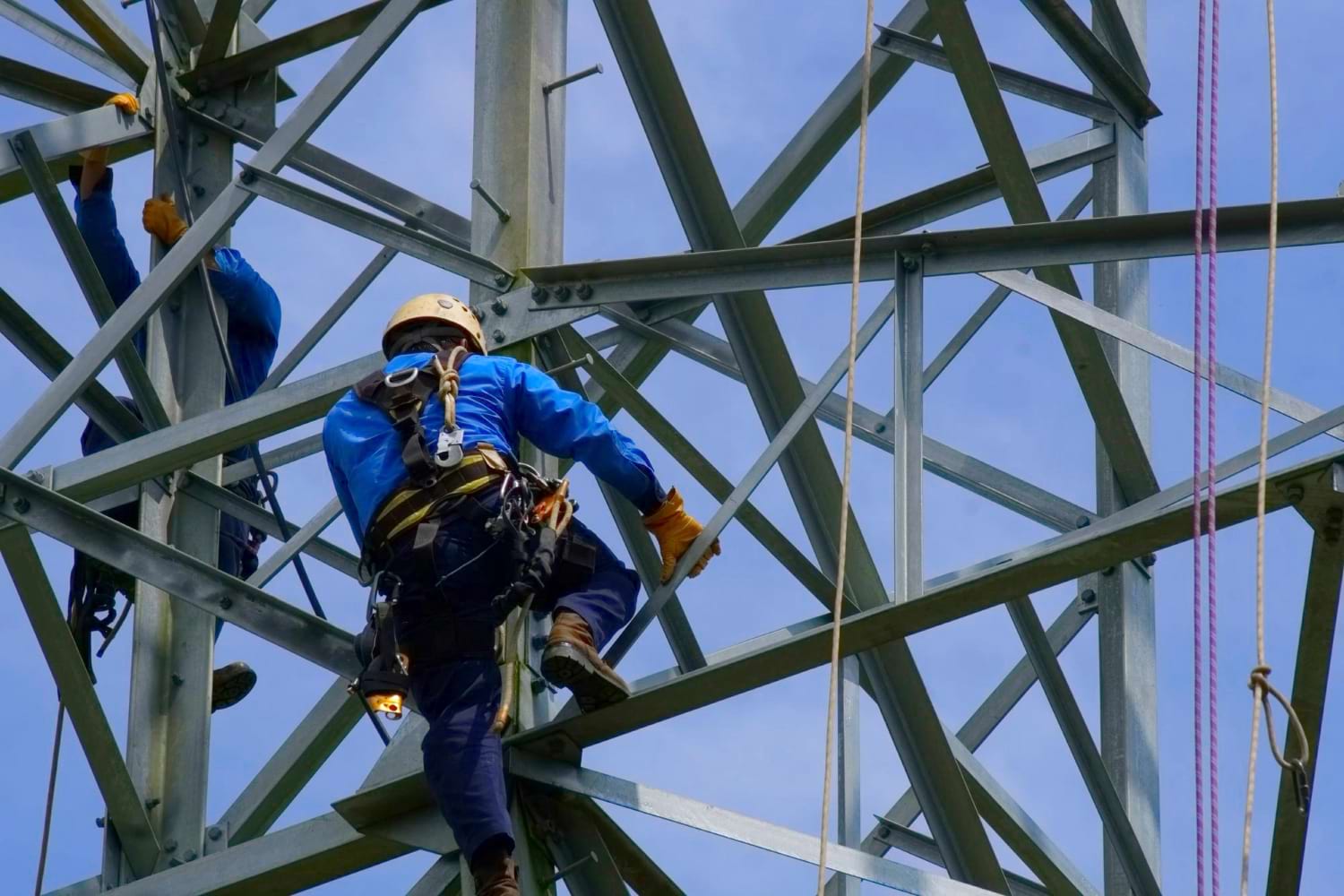
Good fall protection supports three goals at once: controlled freedom of movement, dependable fall arrest, and predictable behavior during daily use. Mobility matters because the safest worker is often the one who can keep balanced and focused on the task rather than on the gear. Reliability matters because the moment of a fall is not the time to discover a weak connection, a tangled line, or a device that reacts too late. Predictability matters because crews need repeatable routines: clip in, move, work, and stay protected at every step.
This is why modern systems focus so heavily on minimizing slack, reducing the distance needed to arrest a fall, and keeping the connection point stable as the worker changes position. When the anchorage is placed correctly, and the right device is chosen for the job, the system becomes almost “invisible” during work — present, consistent, and ready to react instantly if something goes wrong.
How SRLs Work and Where They Shine on Site
A retractable fall arrester, or Self-Retracting Lifeline (SRL), functions like a car seatbelt. It features a drum-wound lifeline (webbing or steel cable) that automatically extends and retracts, following the user’s movement. This provides exceptional mobility within a defined work area. The device is anchored above the worker, and in the event of a fall, an internal braking mechanism locks the line, arresting the fall in just a few centimeters. This makes retractable fall arresters the ideal choice for working on platforms, rooftops, or machinery where horizontal and vertical movement is necessary.
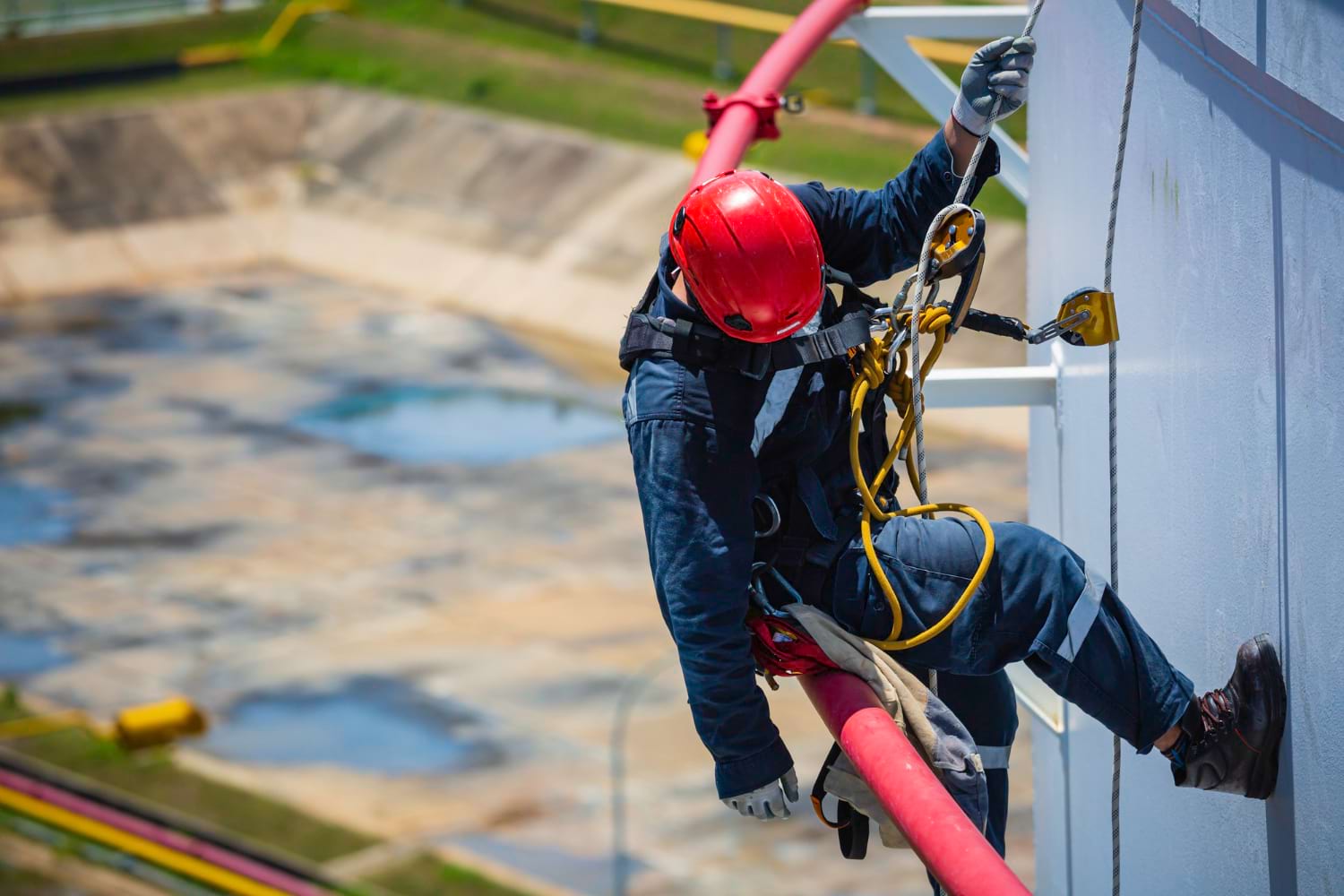
Because SRLs manage slack automatically, they help keep the connection line short and controlled during normal movement. That can reduce tripping and snagging risks compared with systems that leave excess line hanging. It also supports efficient positioning when the worker needs to step, turn, or reach repeatedly, such as during maintenance, inspections, or equipment installation.
To get the best performance, the setup needs to match the task: anchoring above the user whenever possible, selecting the correct lifeline material for the environment, and ensuring compatibility with the harness and connectors. Around leading edges, hot surfaces, or corrosive areas, the job plan should address additional protective measures and device ratings. When chosen and used appropriately, an SRL becomes a practical, user-friendly solution that supports productivity while delivering rapid fall arrest when it matters most.


